

American Film Market · Nov 8–15, 2025 · Los Angeles, CA
AFMLos Angeles, 2025
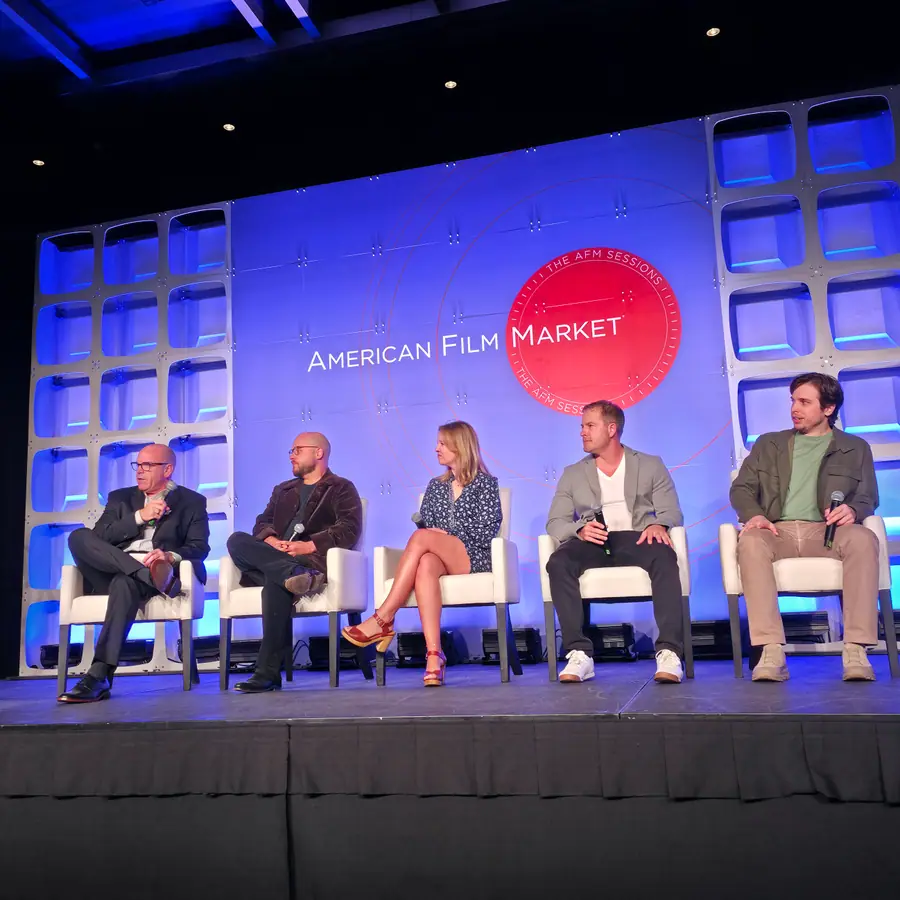
Monday · Arrival
Kicking off the week at the American Film Market was energizing and grounding at once — a place where creativity feels tangible and every conversation holds a spark of possibility. Even getting around Los Angeles was an adventure: a first ride in a Waymo, one of those quietly futuristic moments — a reminder of how fast storytelling and technology are converging.
The connections we were most excited to explore were around drone cinematography and story-driven brand strategy — helping ideas find both their visual and emotional altitude.
Tuesday · The Floor
The rest of the building.
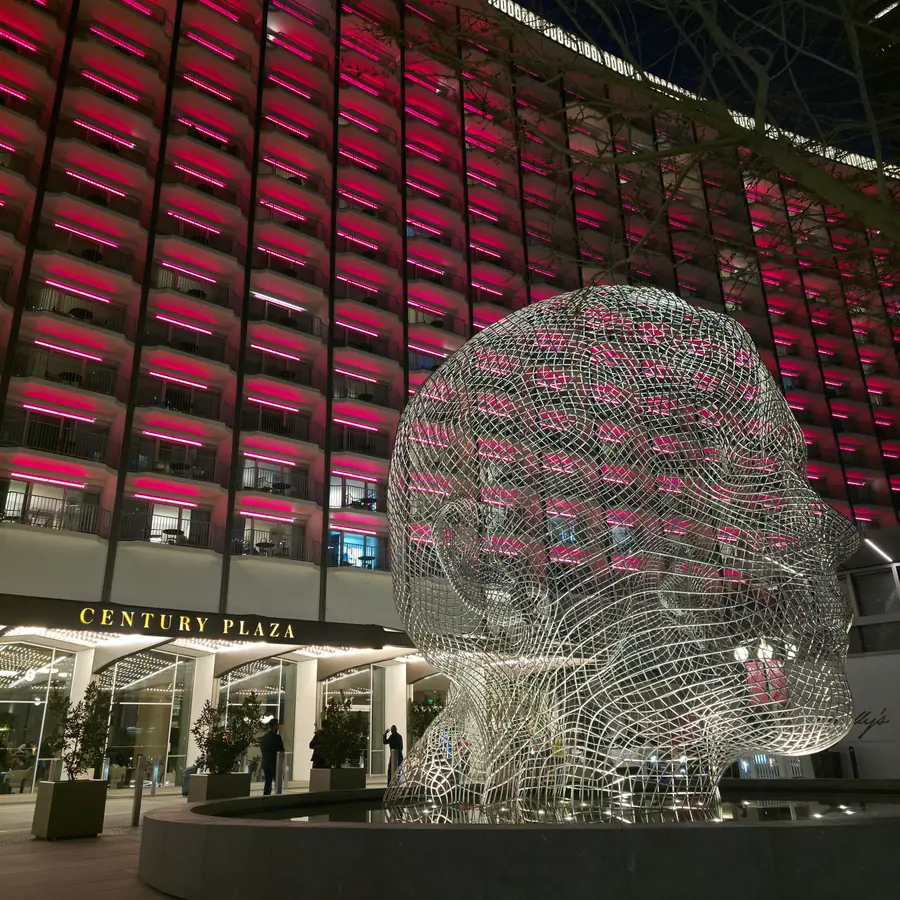
The AFM Sessions panels get the spotlight and the recap posts. The market itself is what actually fills the building — a trading floor for film and television, built for a week inside the Fairmont Century Plaza in Century City.
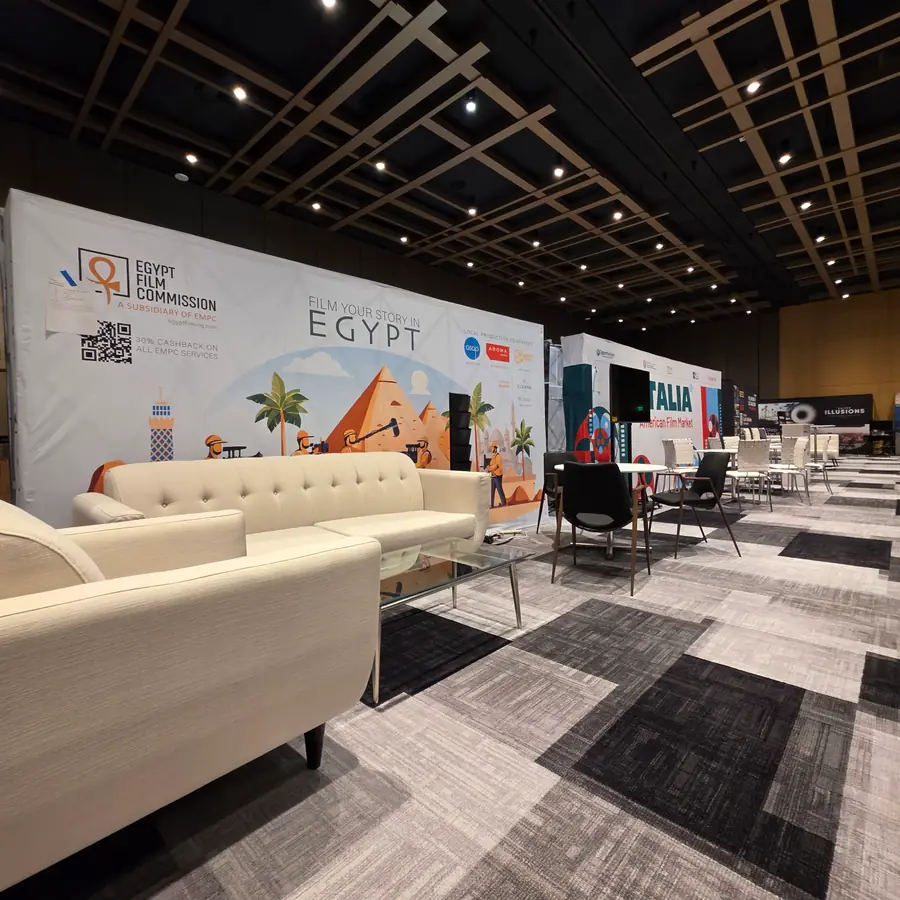
Walk past the stage and the floor opens into rows of exhibitor pavilions: national film commissions and studio groups, each with a booth, a banner, and a pitch — Cinecittà promoting Rome's soundstages a few aisles from the Egypt Film Commission's rebate pitch, and the vendors who keep a production running wrapped around the lobby columns in between.
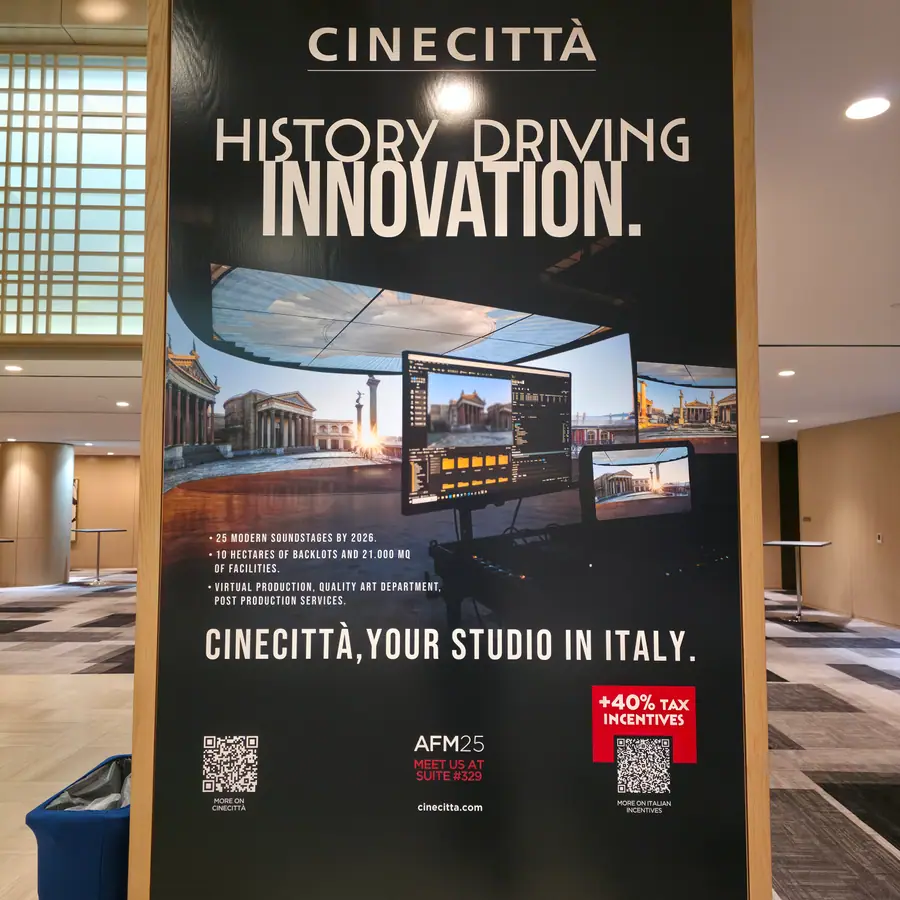
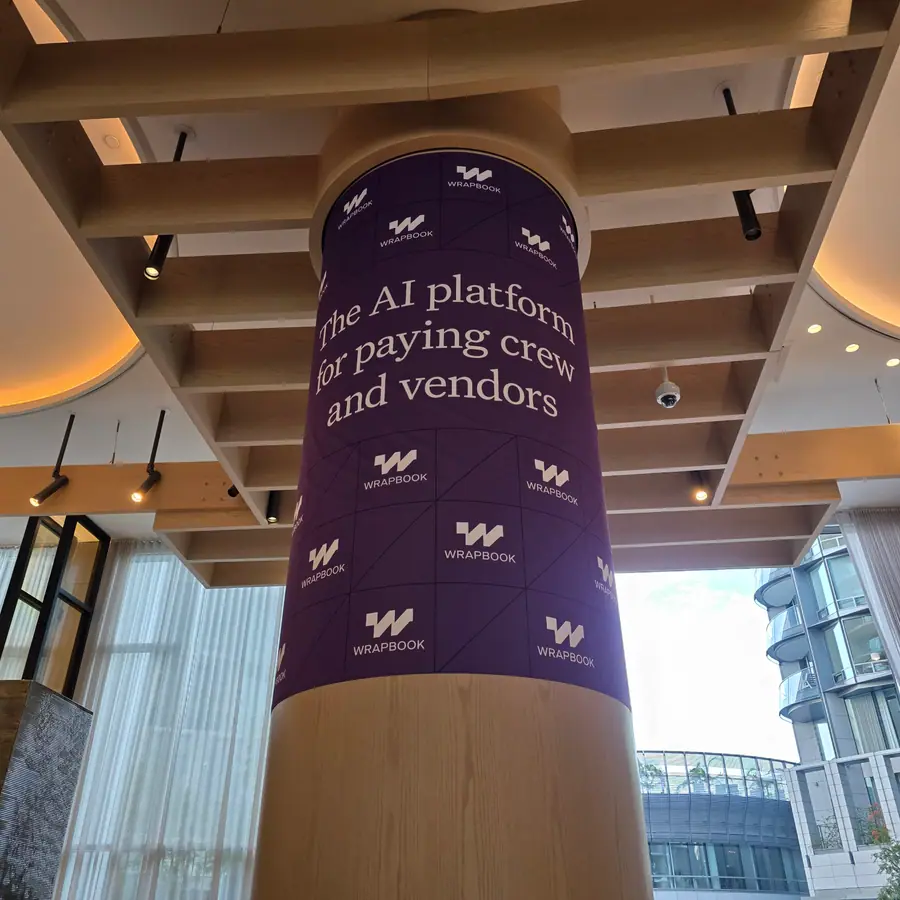
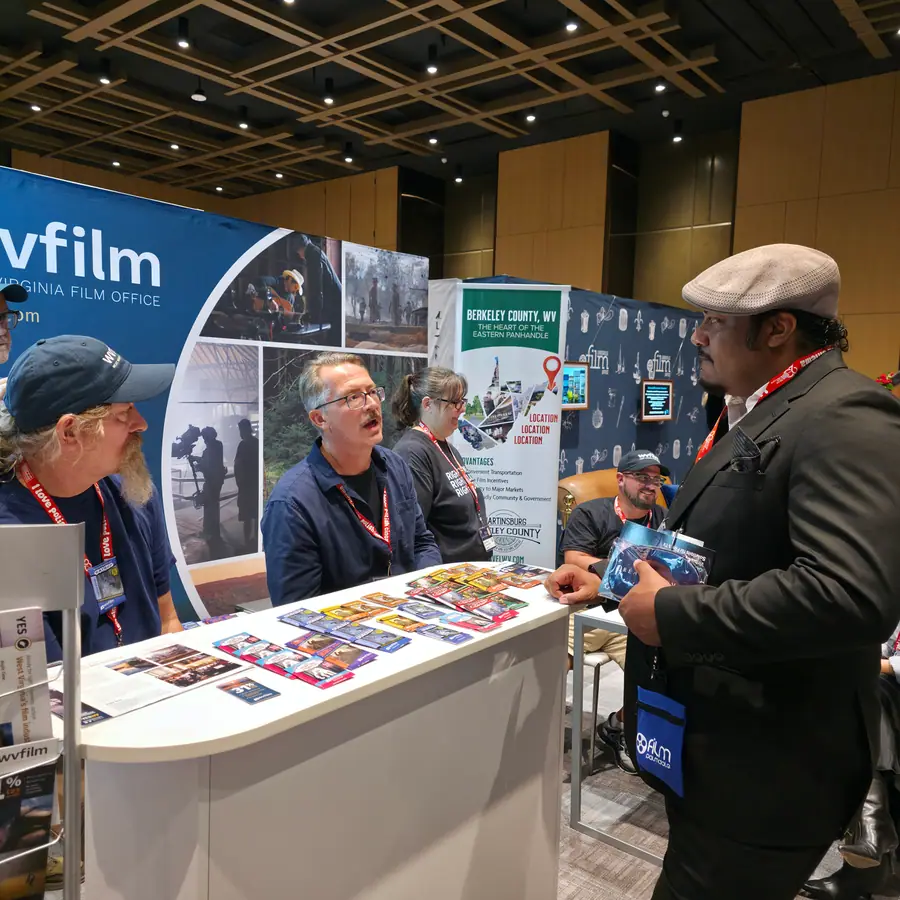
The actual work happens at booth level, in short conversations that repeat all week — a state or regional film office's table, a producer stopping to ask about incentives, locations, crews. It's unglamorous compared to a stage moment, and it's also the real transaction the whole event exists to enable.
Wednesday · Where The Money Sits
A recurring theme all week, from filmmakers and producers alike, was distribution. So many creatives had poured everything into something genuinely remarkable — secured the funding, finished the film — only to face the uphill climb of finding fair and effective distribution. It's a reminder of how much the business behind the art matters.
So at Finance I: From Packaging to Payback — Jeaneane Davey, Sam Pressman, Josh Rosenbaum, Jeff Caruso and Jeremy Ross — that's the question we put to the panel from the floor: how early should distribution strategy be built into financing to reduce risk and improve outcomes for filmmakers?
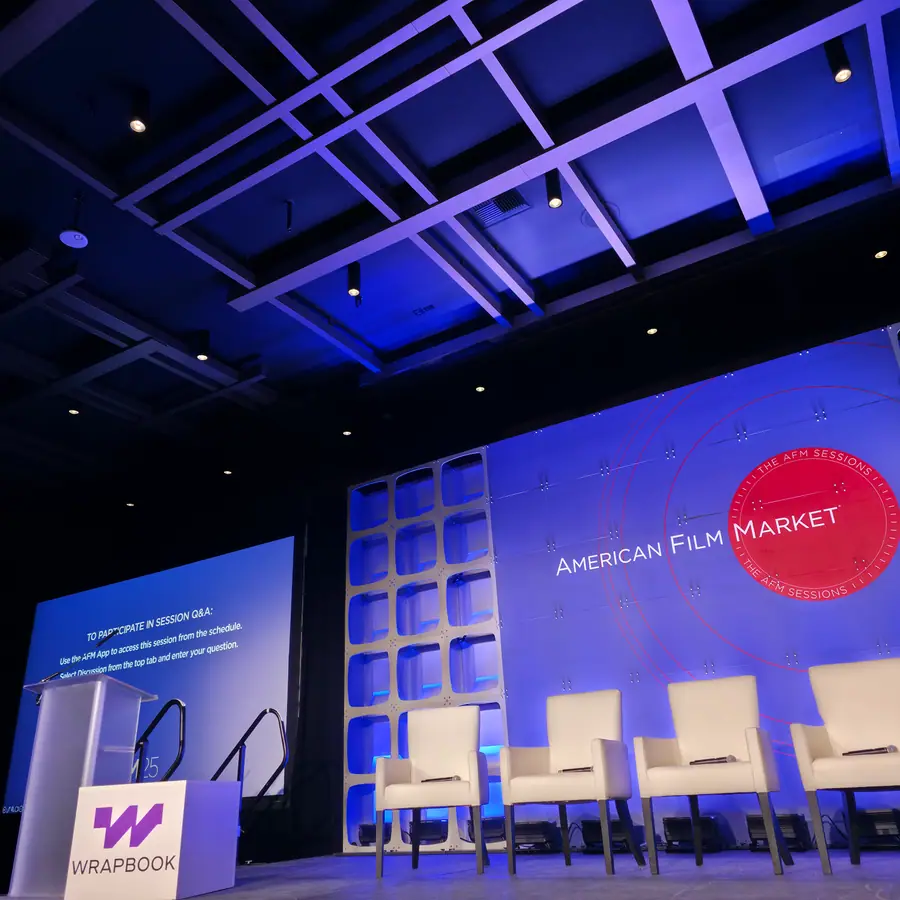
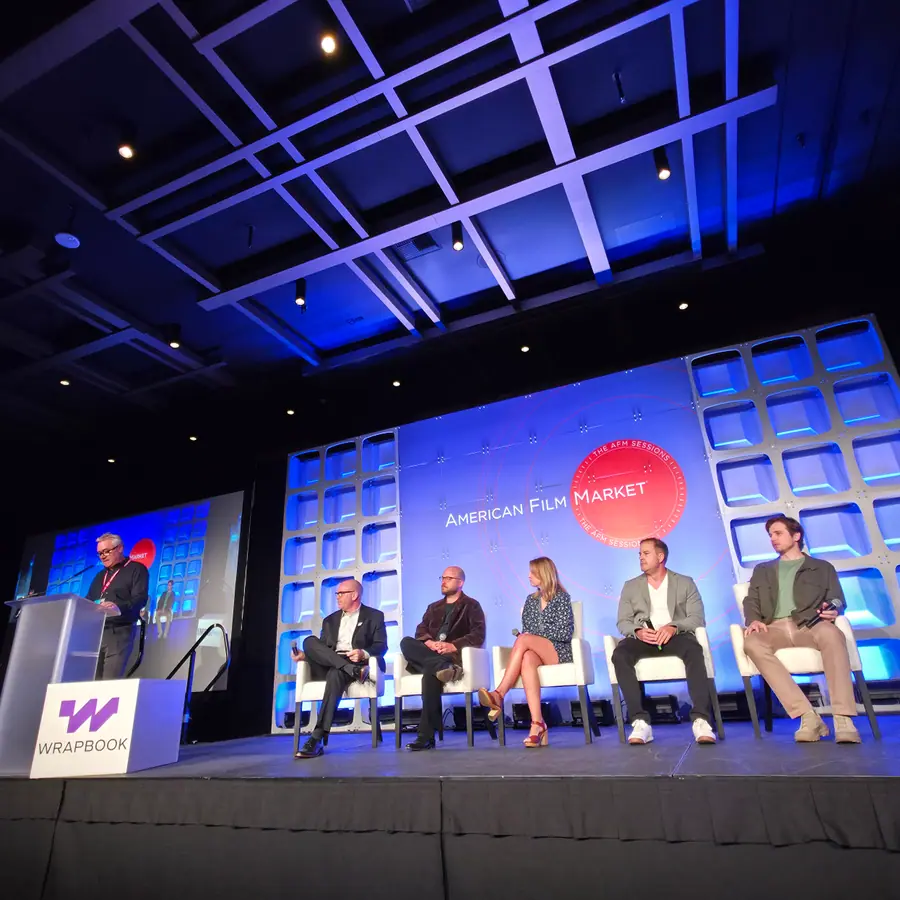
The answers were practical. Align production size with audience and release scale. Treat incentives as multi-dimensional — real value comes from local partners, crew infrastructure and monetization speed, not just a rebate percentage. And transparency in reporting and recoupment terms is still overdue across the whole financing chain.
Distribution starts at the deal table. The earlier it's integrated, the more leverage you keep.
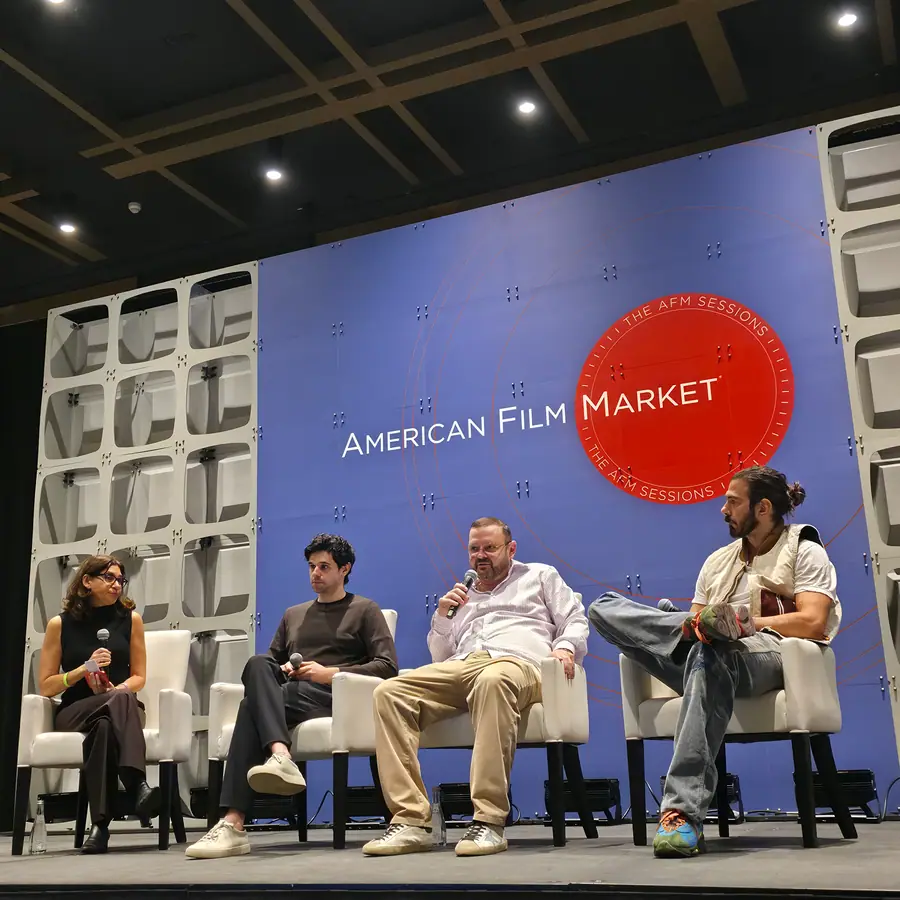
Later the same morning, The Innovators: From Fan to Financier — Willie Morris of Waterfall, Marc Iserlis of Republic Film, and Christopher Woodrow of Media Capital Technologies — took the other half of the equation. Crowd investing isn't crowdfunding: retail investors can now take real stakes, which turns fans into early financiers and day-one advocates. Community becomes capital. Emerging models are experimenting with equity participation for cast and below-the-line, and new entrants are aiming straight at the mid-budget theatrical gap studio consolidation left behind.
Thursday · Machines And Worlds
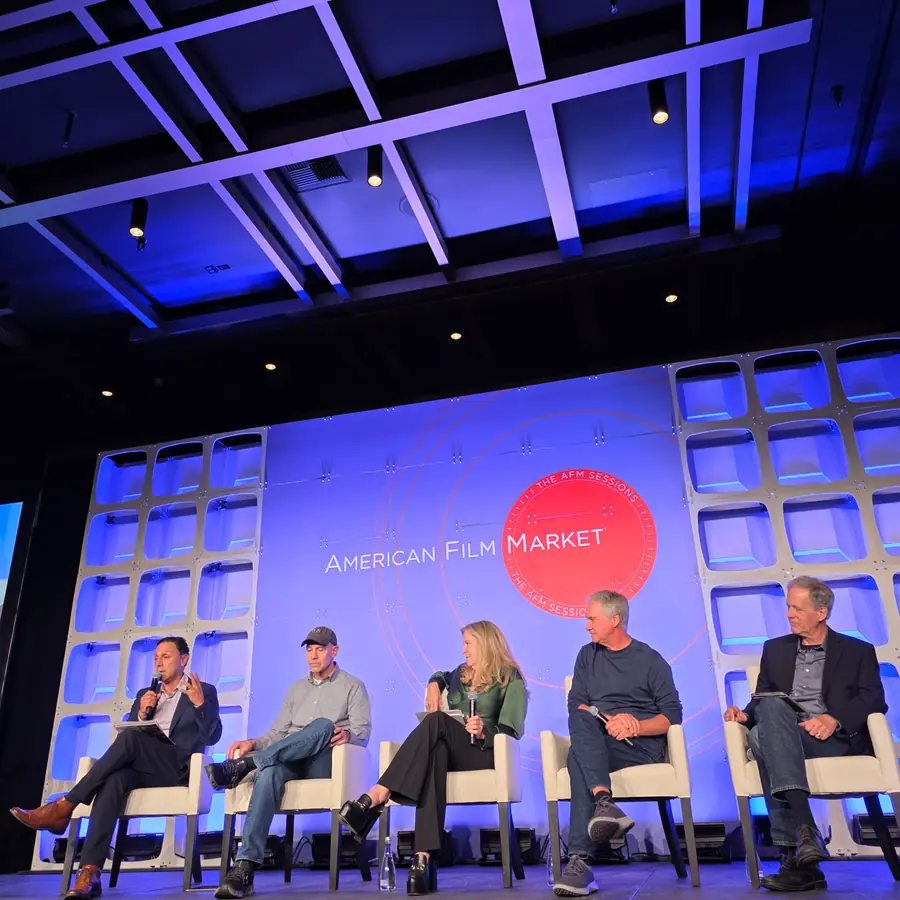
Visualizing the Future of Commercial Content: What AI Means for the Industry — Scott Martin, Darren Frankel, Lori McCreary, Ted Schilowitz and Nelson Granados. Living at the crossroads of storytelling, commercial content and emerging tech, our question was the practical one: which parts of the workflow are already proving the highest ROI with AI, and which should stay human-driven no matter what ships next?
The answers circled a few themes. AI is already strong at assistive work — cleanup, localization, asset management, crowd replacement, the variations that used to eat days of budget. Story and performance still need authentic intelligence; tools help, but the emotional choices come from people. The real fault line isn't AI versus no AI, it's ethical versus unregulated AI — training data, IP ownership and consent decide whether an industry commoditizes the very creators it's built on. And if AI absorbs all the entry-level work, where do the next editors, cinematographers and producers learn the craft?
Use AI to buy back time and optionality — not to outsource taste and responsibility.
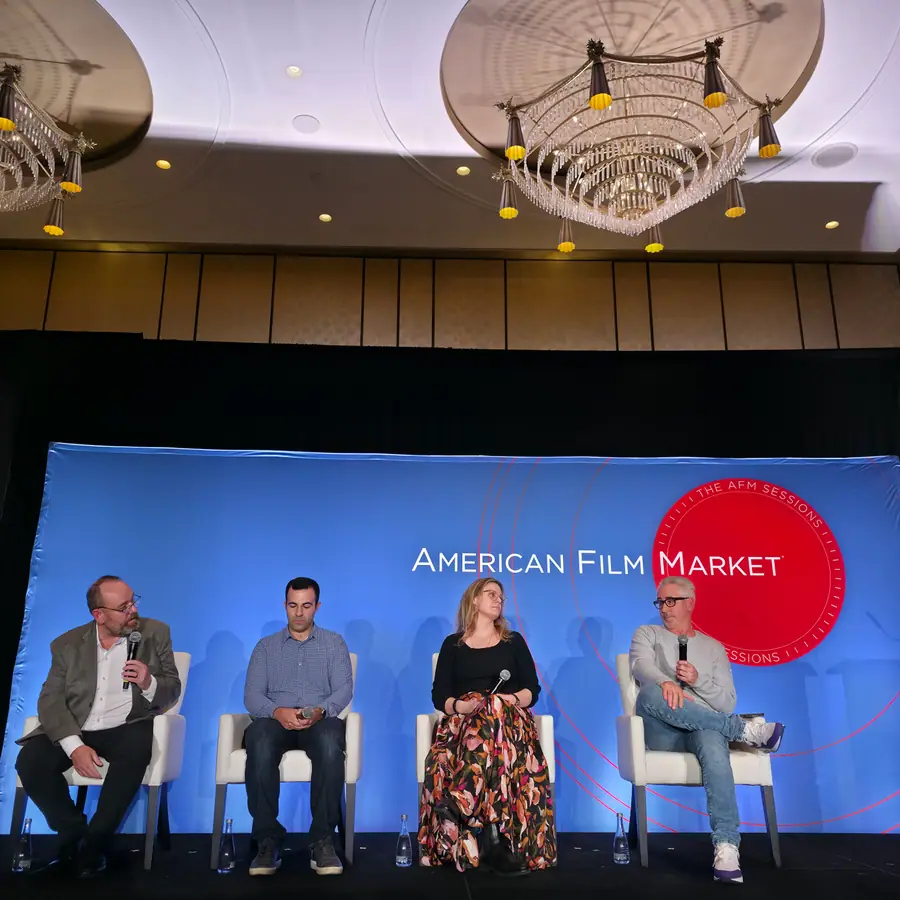
That afternoon, Level Up: The Evolving Relationship Between Filmmaking and Gaming — Blake Rochkind, Russell Binder, Patrick Sweeney and Amanda Kruse. What landed wasn't the momentum around games becoming films, but how different the creative logic of the two mediums really is. Indie games are becoming IP engines, with fandoms often larger than the books and comics that routinely get adapted. Modern engines mean more worlds, not fewer. And transmedia works when you make one great thing first — audiences can feel the difference between a living world and a cash grab.
Friday · After Hours
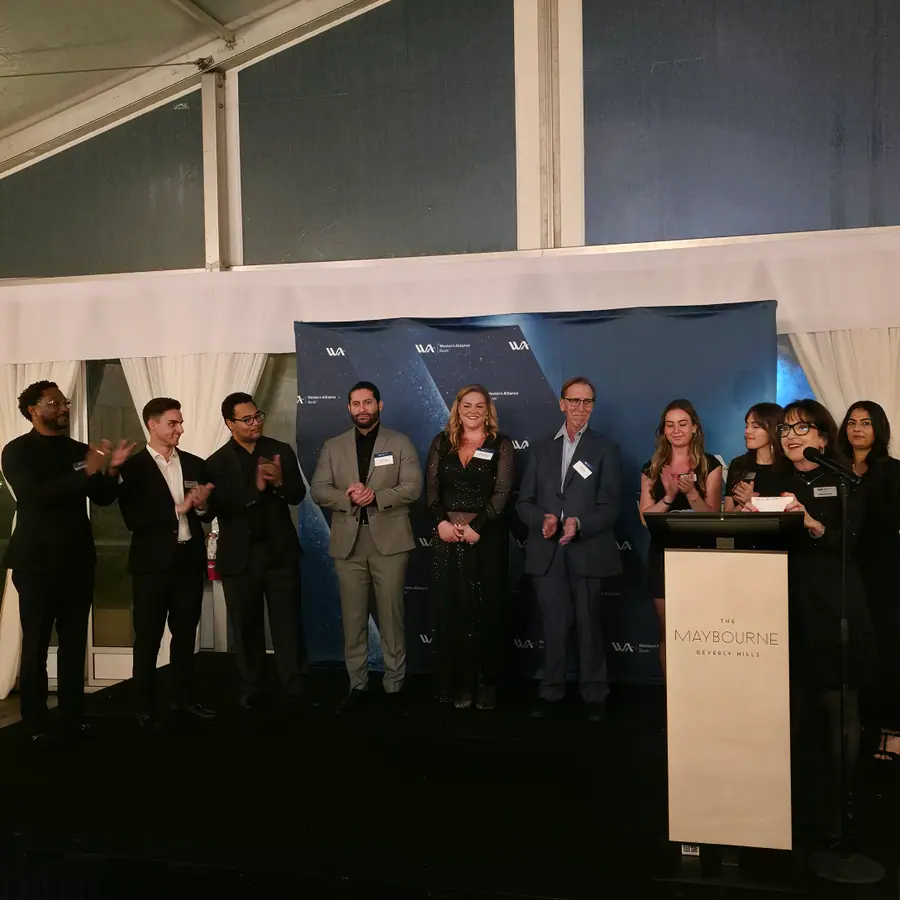
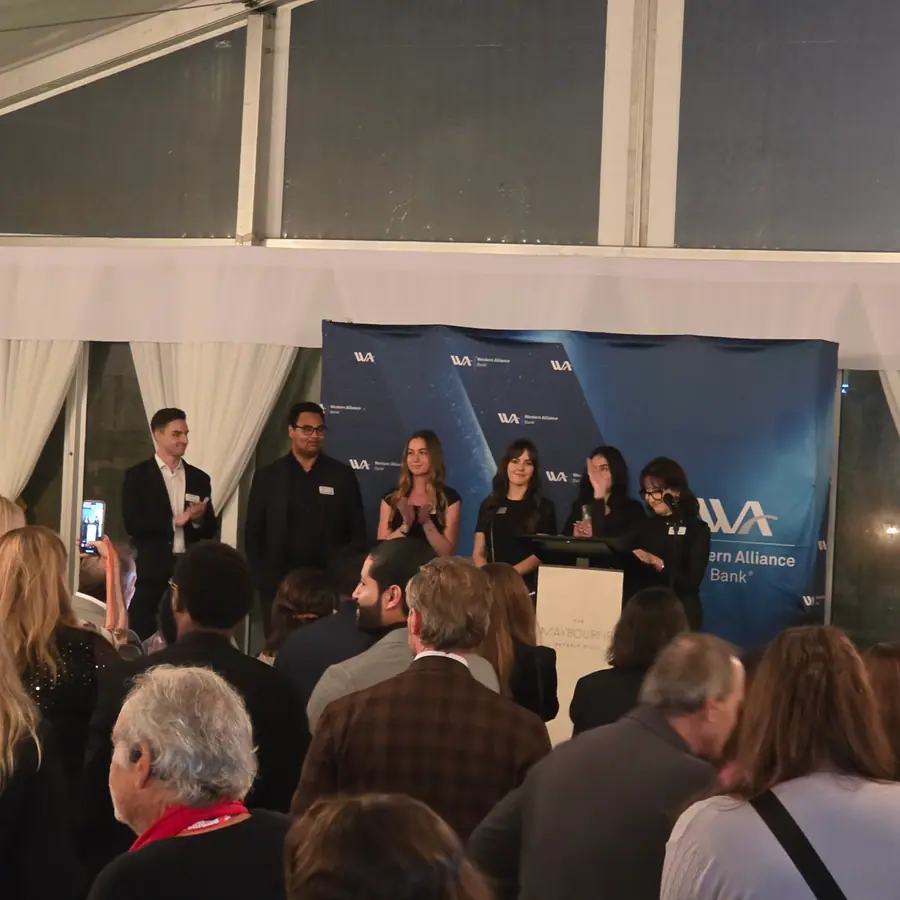
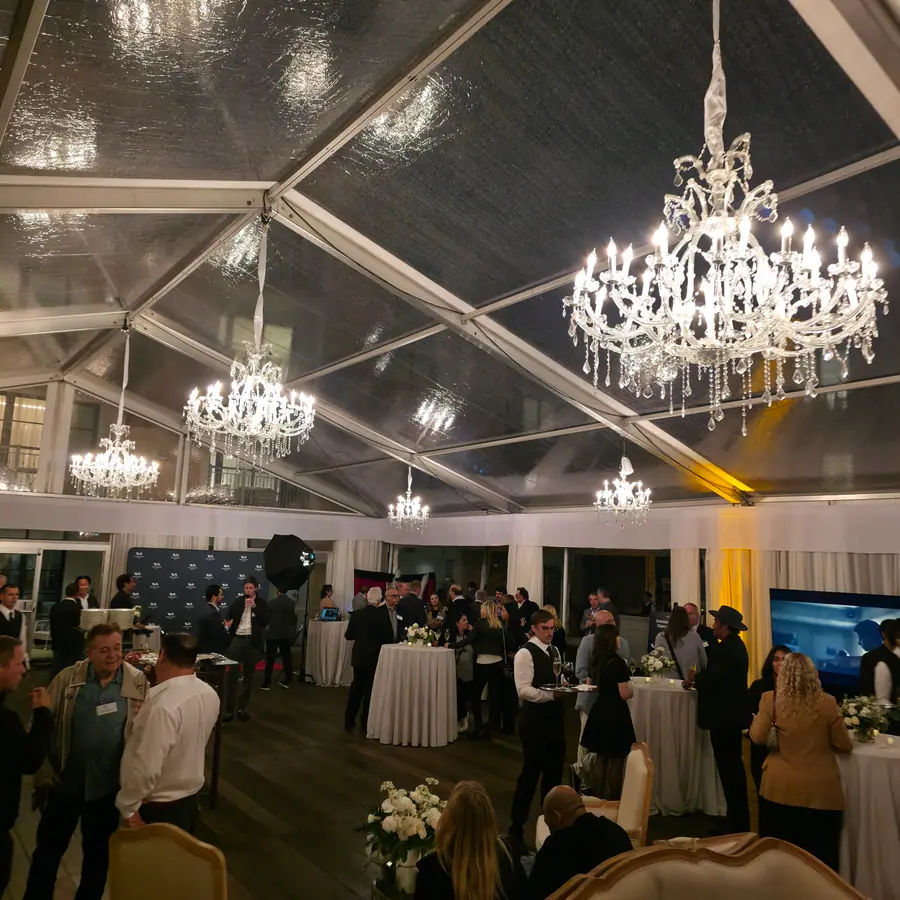
When the sessions end for the day, the market doesn't really stop — it just moves outside, into evening receptions where the same conversations continue without a moderator. Appreciation to Western Alliance Bank for hosting a client event during the week: it's always valuable to connect with people across film, finance and production in a setting built for real conversation, and events like it are a reminder of how much collaboration and community shape where this industry goes next.
Saturday morning · The Pitch Conference
A highlight of the week was the AFM Pitch Conference, with Loni Rodgers, Cassian Elwes and Lee Jessup, where dozens of filmmakers had two minutes each to distill a project into a snapshot. As someone who sits in pitch rooms every week at PitchBoulder, it played like a mirror image: in film, creators lead with the story — the characters, the emotion, the personal connection. In startups, founders lead with the business — the features, the pain points, the market. Both sides pitch what they think the room most needs to hear, and both sides need both.
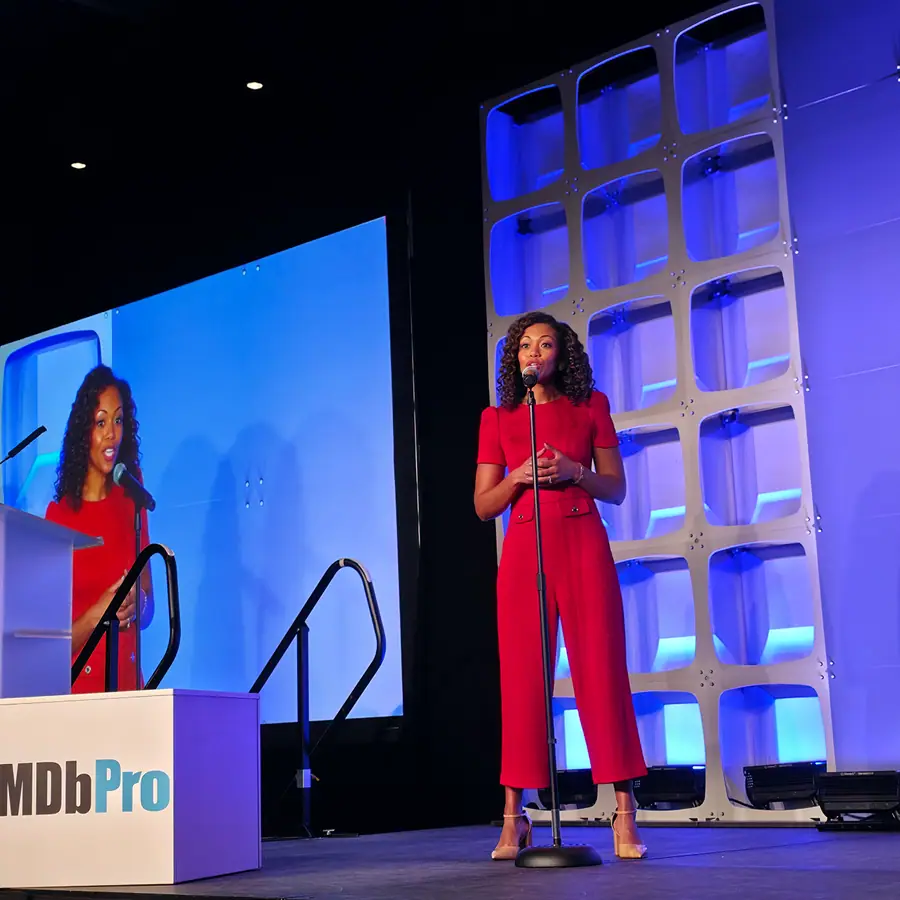
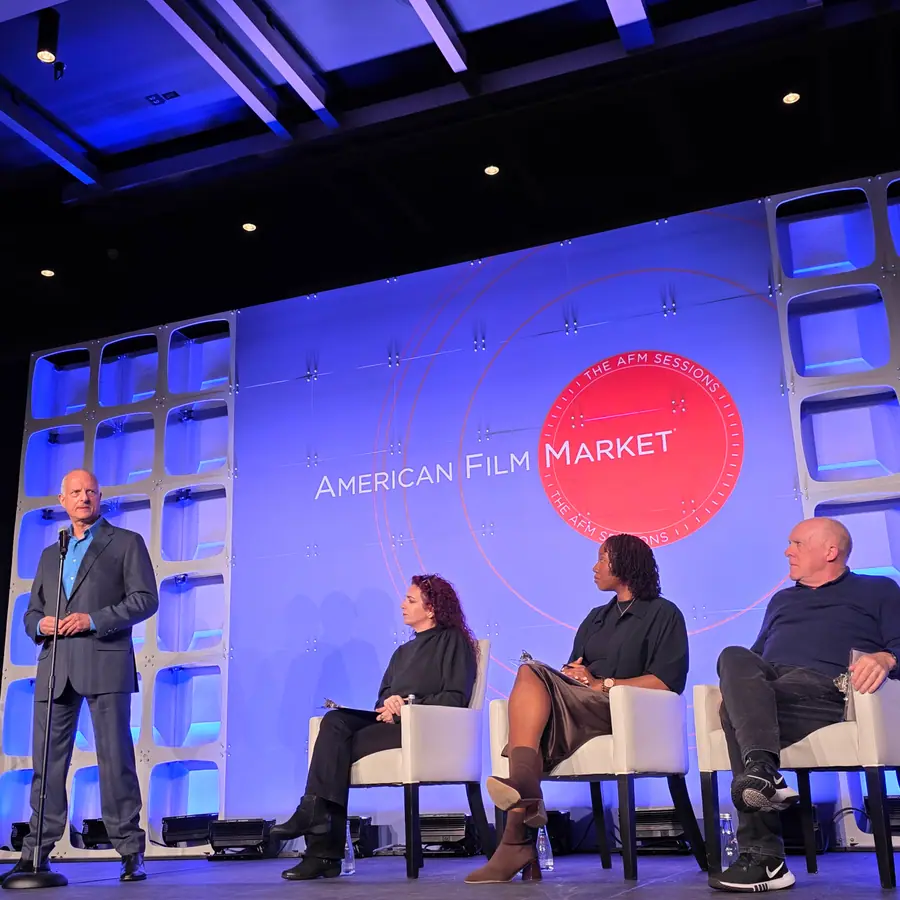
Creators often don't talk much about the business path of a project — how it lives in the market, why it's timely, what the strategic aim is beyond the logline. Founders often don't communicate the story behind their product — the human stakes, the emotional why, what the customer is supposed to feel or become. Different industries, different vocabulary, the same tension.
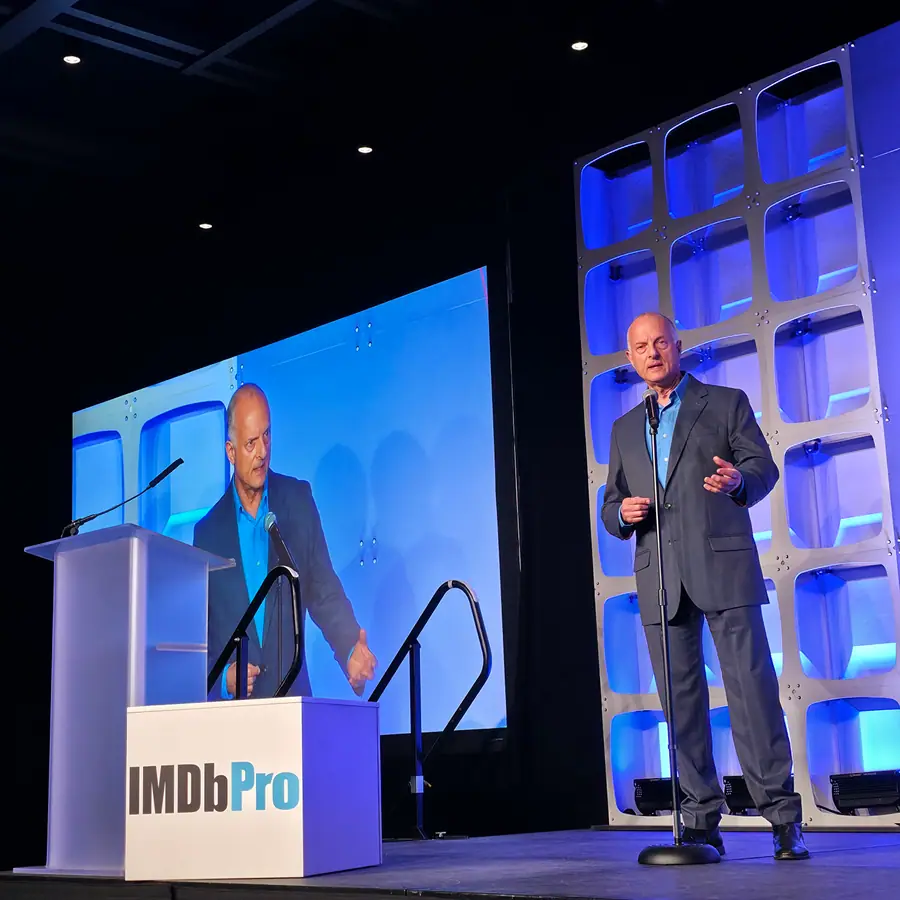
The story tells us why we care. The strategy tells us why it works.
Saturday afternoon · The Last Panel
The week closed on Why Buyers Bet on Independent Action Films, presented by FLIP Creative — Michele Kanan, Sean Kanan, Jeff Fahey, Kate Monroe, Willie Morris and Kia Jam. What made that conversation land was how honestly everyone spoke about the miracle of getting an indie film made — and how that miracle becomes a business model when you do it right.
Indie no longer means low quality; with today's cameras, tools and lean crews, constraints have become a creative advantage. You're not just buying a movie, you're betting on a team — because a group that can deliver quality fast and on budget can do it again. And the people who keep working together across projects prove the real point: the relationships are the infrastructure.
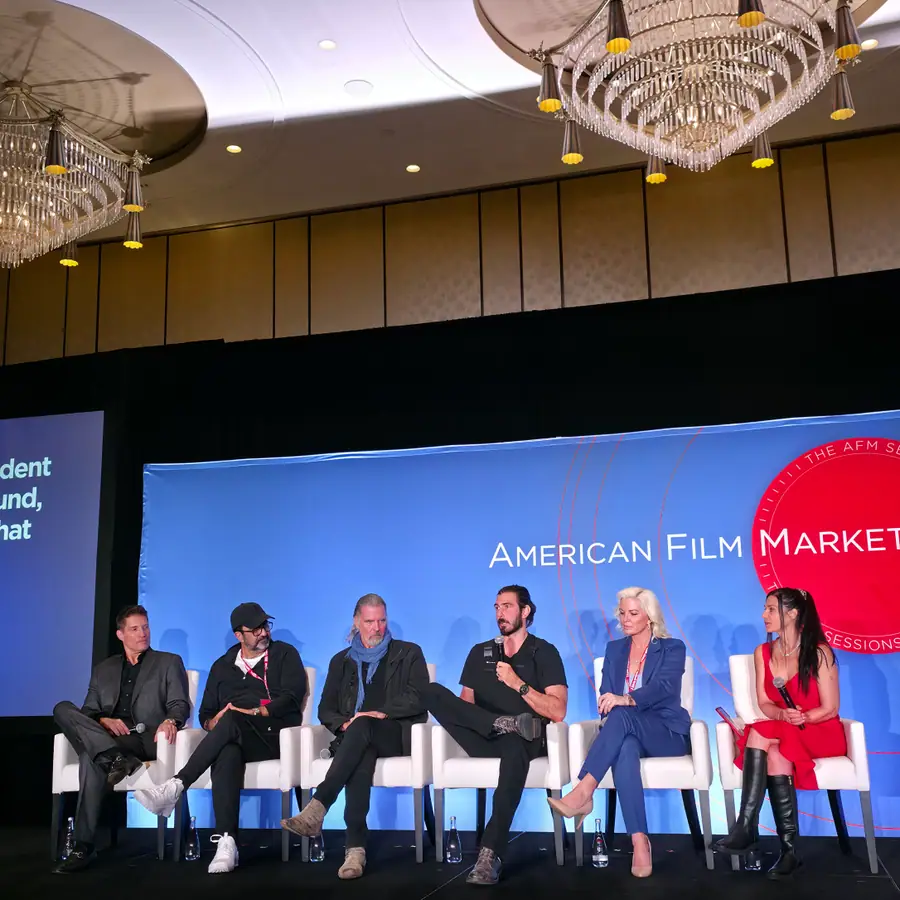
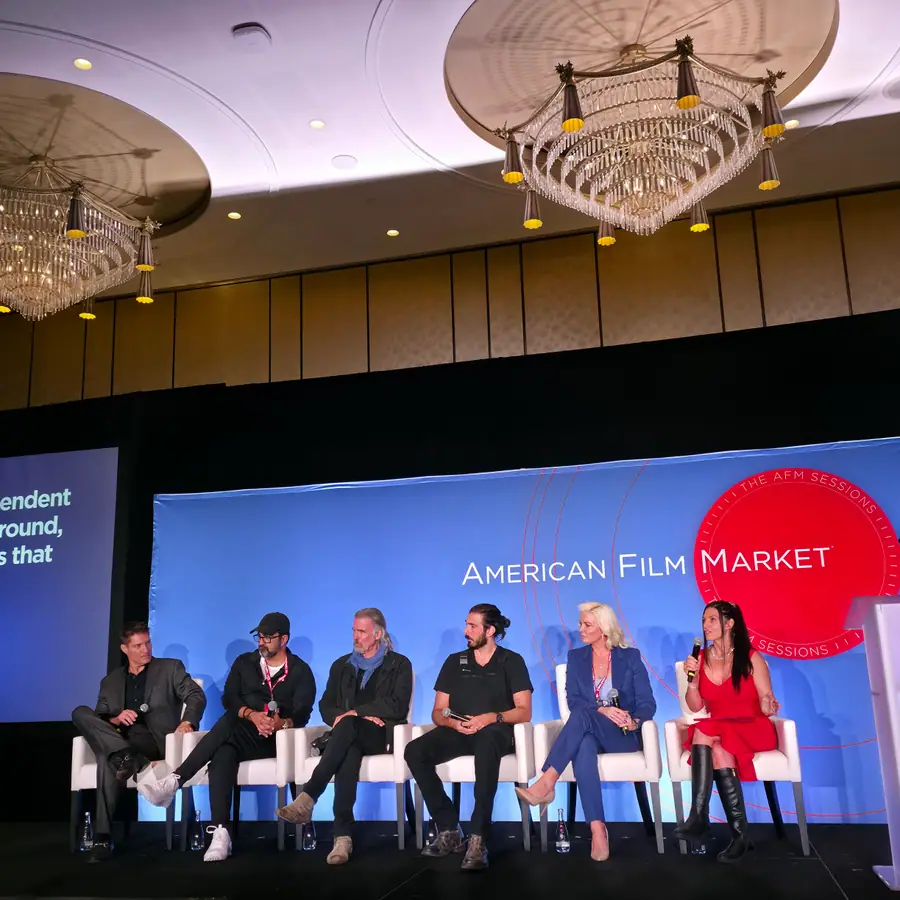
How do you blend vision and viability, the engine and the soul of an idea? That intersection is where a lot of future opportunity lives — and when those two sides come together, a pitch stops feeling like a presentation and starts feeling like an invitation. The AFM Sessions, American Film Market, Los Angeles, California, November 8–15, 2025.